Trees 3 Flowers

Cherry Blossom
Cherry blossoms, known scientifically as Prunus serrulata, belong to the Rosaceae family,
which
also includes roses, apples, and peaches. These delicate flowers bloom in early spring,
often
before their leaves fully emerge. Native to East Asia, particularly Japan, China, and Korea,
cherry blossoms have become a symbol of renewal and fleeting beauty. While they are most
commonly associated with pale pink hues, some varieties produce white or even darker pink
blossoms. The trees are typically ornamental, though some species do bear small, inedible
fruit.
Cherry blossoms hold deep cultural significance, especially in Japan, where the annual
hanami tradition involves gathering under the trees to appreciate their short-lived beauty.
The
flowers are often linked to themes of impermanence and the transient nature of life, a
concept
rooted in Buddhist teachings. According to Japanese folklore, a spirit once inhabited a
cherry
tree, and when a kind-hearted samurai saved it from destruction, the tree burst into
breathtaking blossoms as a sign of gratitude. Today, cherry blossoms remain a beloved symbol
worldwide, often planted in parks and gardens as a reminder of nature’s fleeting wonders.
Magnolia
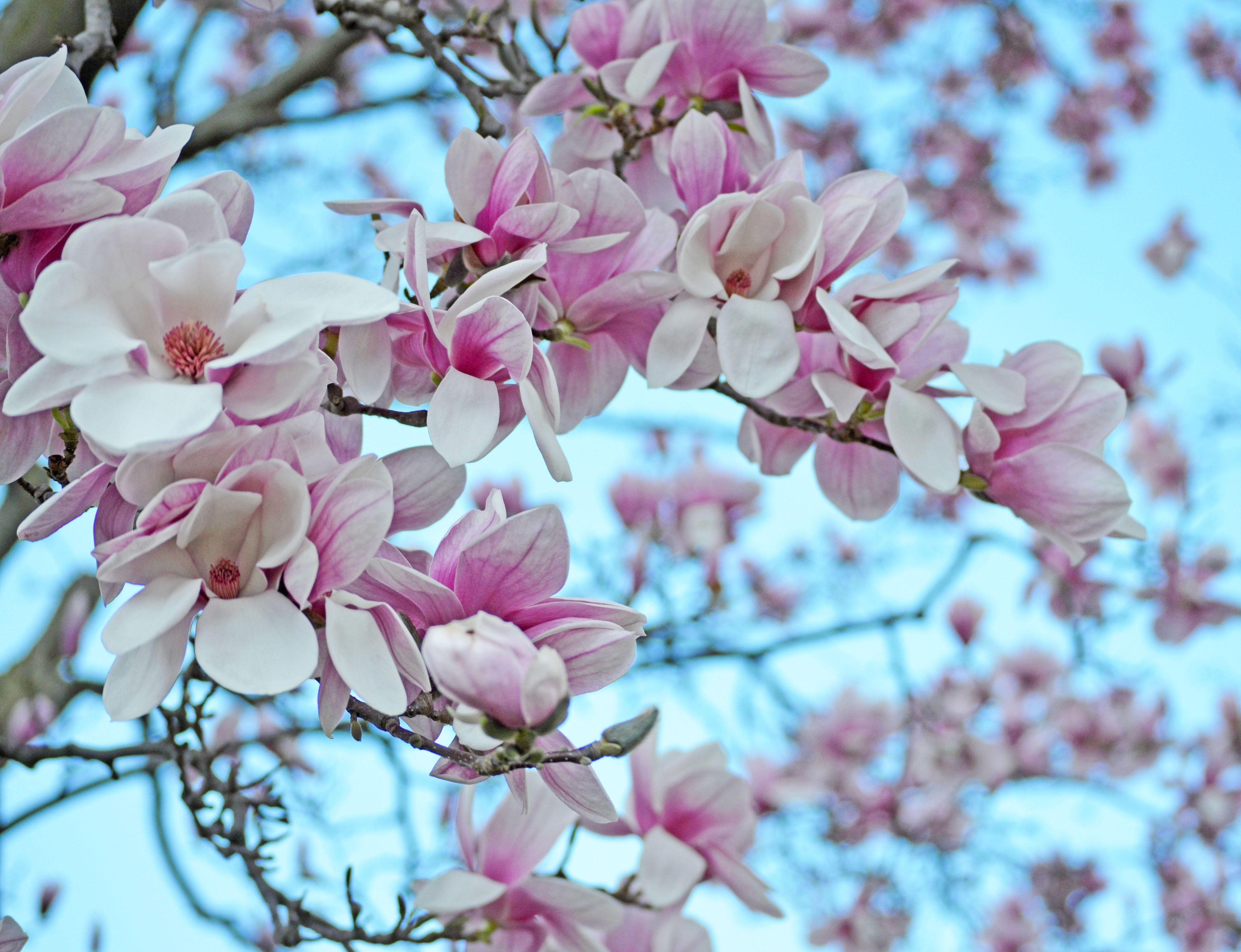
Magnolias, belonging to the genus Magnolia, are ancient flowering plants within the family
Magnoliaceae. These trees and shrubs are native to Asia and the Americas, thriving in a variety
of climates from temperate to tropical regions. Magnolia blossoms are renowned for their large,
fragrant flowers, which can be white, pink, purple, or yellow, depending on the species. The
glossy, leathery leaves and cone-like fruit add to the plant's ornamental appeal. Fossil records
indicate that magnolias have existed for millions of years, predating bees, with beetles serving
as their primary pollinators.
Symbolically, magnolias represent endurance, strength, and beauty. In Chinese culture, they are
associated with purity and nobility, often featured in art and literature. In the southern
United States, magnolias are emblematic of the region's natural beauty and are frequently
mentioned in songs and stories. According to folklore, magnolia trees possess protective
qualities, and planting one near a home is believed to safeguard the inhabitants. Their timeless
elegance continues to inspire admiration and reverence across various cultures.
Dogwood
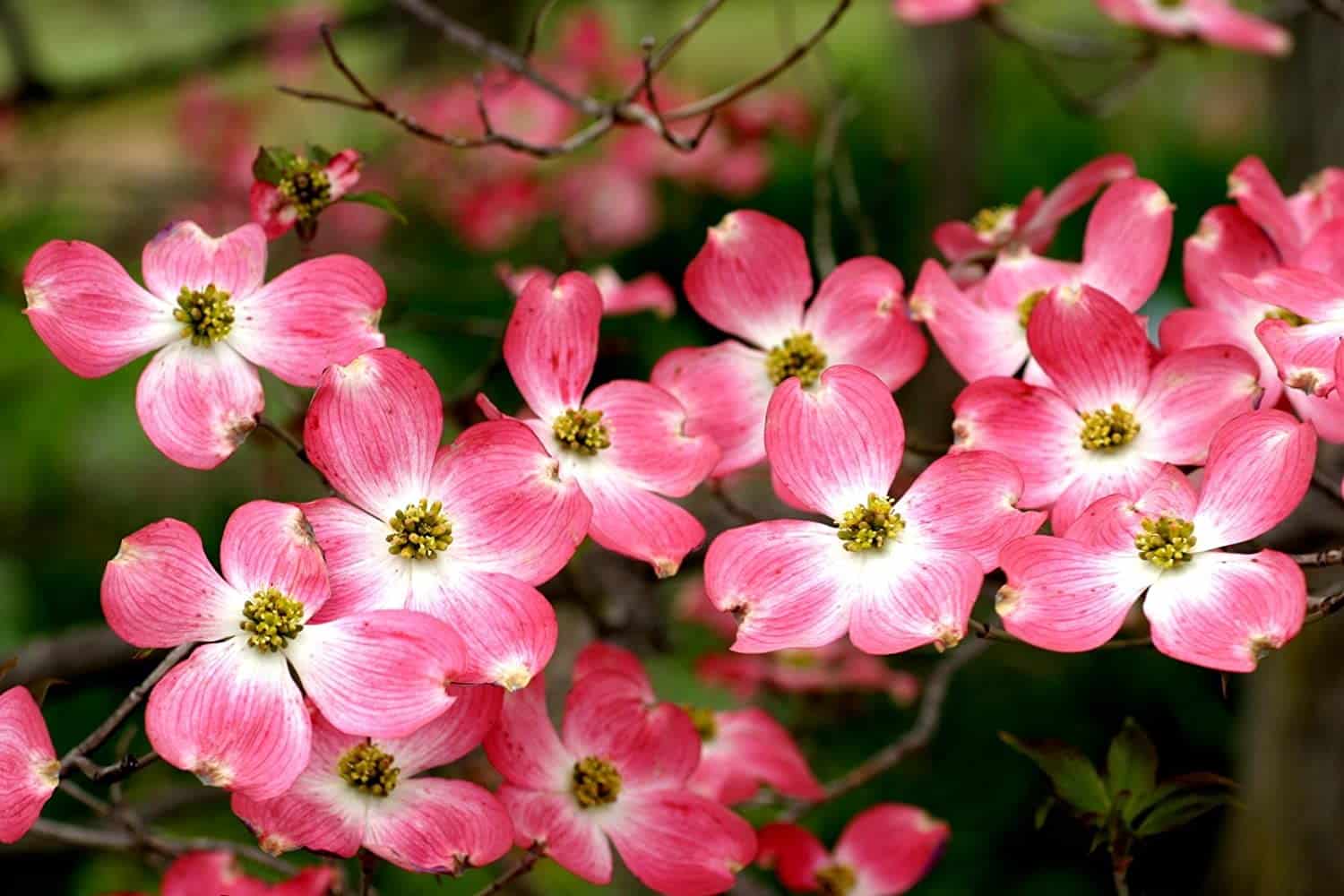
Dogwoods, classified under the genus Cornus, are deciduous trees and shrubs in the family
Cornaceae. Native to Europe, Asia, and North America, dogwoods are especially celebrated for
their springtime display of blossoms, which are typically white or pink. However, what appear to
be petals are actually bracts, specialized leaves that surround the true, less conspicuous
flowers. The foliage often turns vibrant shades of red and purple in the fall, adding to the
plant's seasonal interest. Many species also produce attractive berries that provide food for
wildlife.
In various cultures, dogwoods symbolize durability and resilience. In Christian tradition, the
dogwood is linked to the crucifixion of Jesus Christ; legend suggests that the tree was once
large and sturdy, but after being used to construct the cross, it was transformed into a
smaller, more delicate form as a sign of humility and repentance. In the language of flowers,
dogwoods convey messages of affection and steadfastness. Their graceful appearance and rich
symbolism make them a cherished addition to landscapes and gardens.