Shrubs 4 Flowers
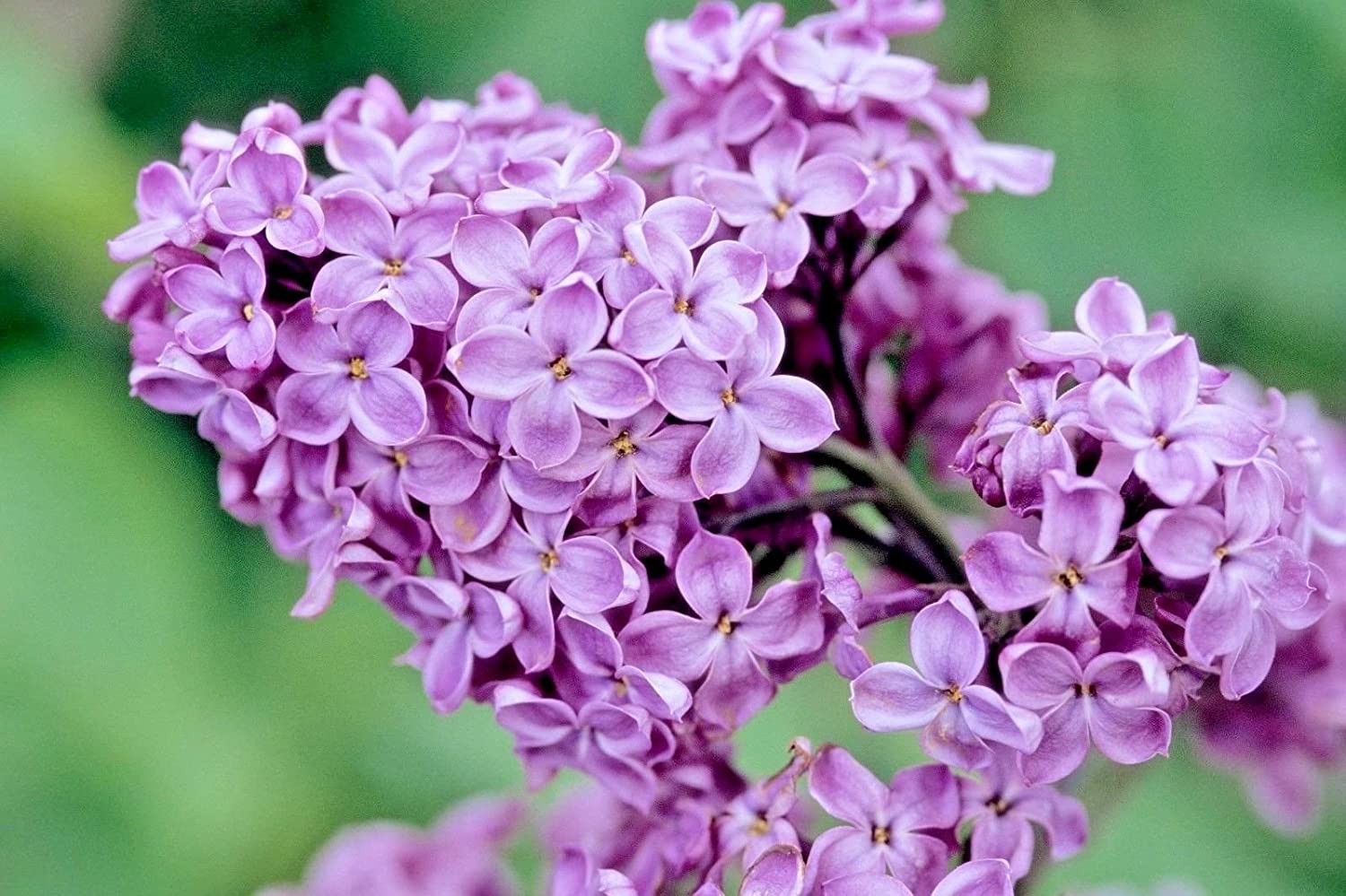
Lilac
The lilac, or Syringa vulgaris, falls within the olive family, which also includes jasmine,
Forsythia, and privet. It grows from a large deciduous shrub that blooms in spring. While it
is
native to the Balkan Peninsula, it has been spread throughout parts of Asia, Europe, and
North
America. The common name lilac descends from several different languages all the way back to
the
Persian words meaning “indigo” or “dark blue”.
There are over one thousand varieties of lilac and two hundred species. Lilacs are also
edible and can be made into things like lilac sugar, syrup, or even wine. These flowers are
symbols of love, hope, and new beginnings. In Greek mythology, lilacs are said to have been
formed from the tears of a nymph named Syringa, who transformed herself into the very same
plant
to escape the unwanted advances of the Greek god named Pan.
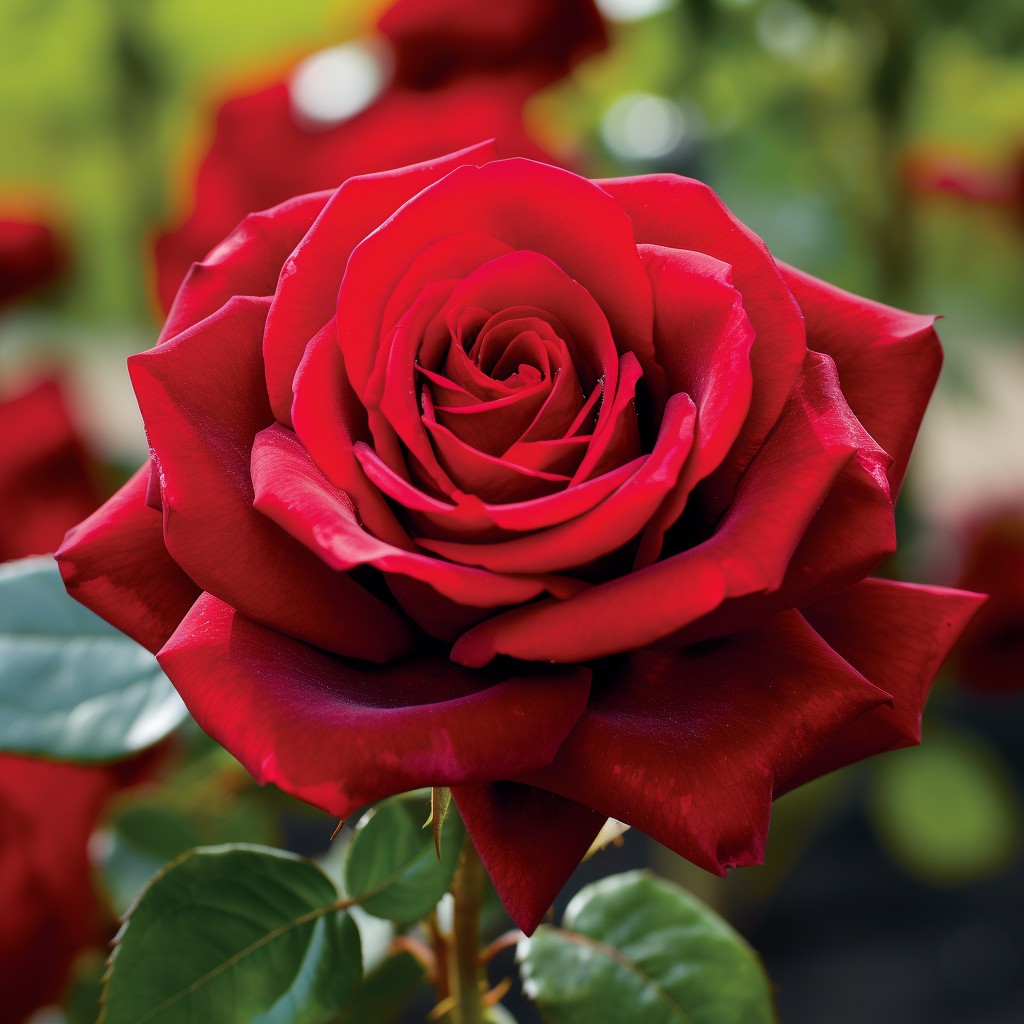
Rose
Roses, belonging to the Rosaceae family, share their lineage with apples, pears, and almonds.
These perennial shrubs or climbers can bloom in various seasons, depending on their species.
Originating from regions across the Northern Hemisphere, including Europe, Asia, and North
America, roses have been cultivated and cherished worldwide. The name "rose" comes from the
Latin "rosa," a term that has been embraced by many languages.
With over three hundred species and thousands of cultivars, roses are celebrated not
only
for their beauty and fragrance but also for their culinary uses. They are edible in the
sense
that they can be made into rose water, jam, and tea. Symbolizing a range of ideas, from love
and
beauty to passion and sorrow, roses hold a special place in many cultures.In Greek
mythology,
the rose is linked to Aphrodite, the goddess of love, who is said to have created the flower
from her tears and the blood of her lover, Adonis.
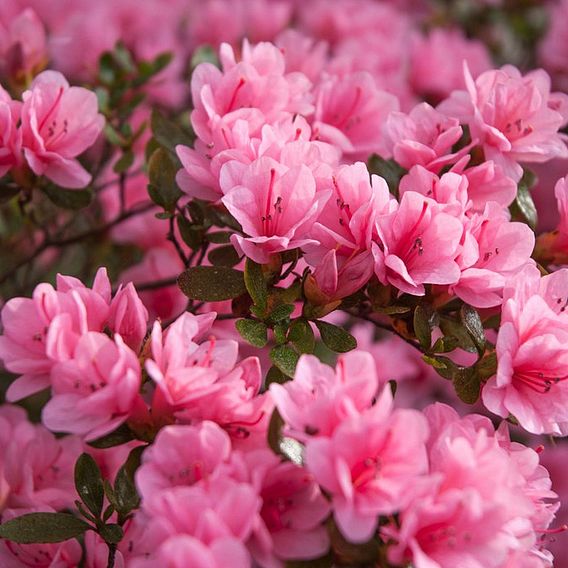
Azalea
Azaleas are flowering shrubs within the genus Rhododendron and part of the family Ericaceae.
They
bloom in spring and their blossoms often last several weeks. Azalea flowers come in a
variety of
vibrant colors, including red, purple, pink, white, and others. Most kinds of Azalea are
deciduous, so they shed their leaves in the fall. There are hundreds of varieties that come
in
range of forms and sizes, and can be found in North America as well as parts of Asia and
Europe.
They are shade preferring plants, and often grow under or near trees.
While beautiful, azaleas are highly toxic. In fact, Azaleas and rhododendrons were once
so
well known for their toxicity, that it was a known death threat to recieve a boquet in a
black
vase. The name azalea originates greece, meaning dry, a reference to its quick-draining
habit.
It has a wide range of symbolsim stemming from different cultures, including good fortune,
care
for loved ones, harmony, and more. According to mythology, there was once a young prince who
fell in love with a princess, but she was cursed to become an azalea bush. The prince's love
and
devotion for her eventually broke the curse and she turned back.
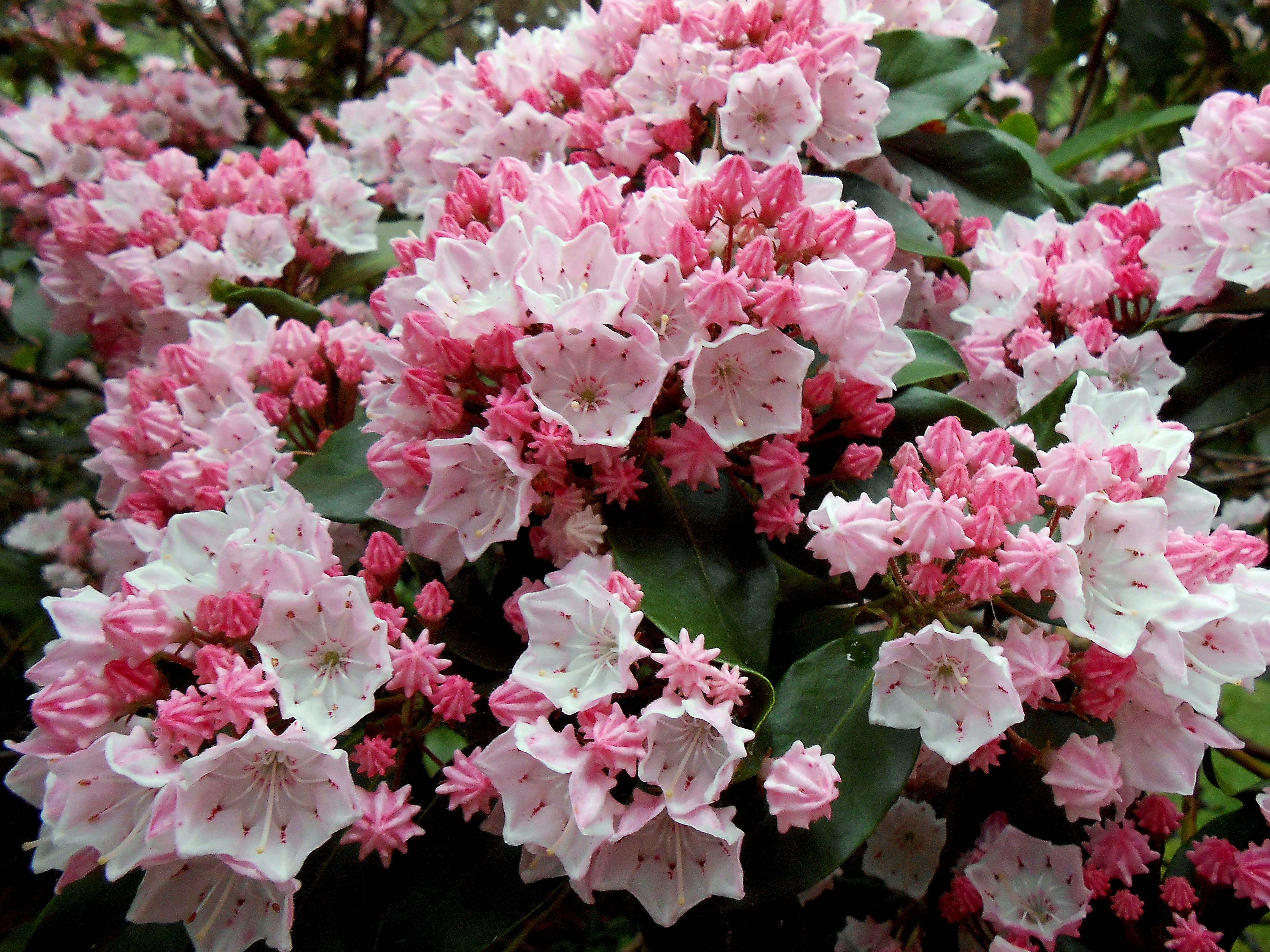
Mountain Laurel
Mountain laurel, or Kalmia latifolia, is an evergreen shrub belonging to the heath family,
Ericaceae, which also includes rhododendrons and blueberries. Native to eastern North
America,
it thrives in mountainous and woodland areas, often growing in dense thickets. Blooming in
late
spring to early summer, its distinctive flowers range in color from pale pink to deep rose,
with
delicate markings resembling intricate patterns. The plant’s glossy, dark green leaves
remain
vibrant year-round, adding to its appeal as an ornamental shrub. However, all parts of
mountain
laurel are highly toxic to humans and animals if ingested.
Symbolically, mountain laurel represents perseverance, ambition, and protection. It was
named after Pehr Kalm, a Swedish botanist who studied North American flora in the 18th
century.
Indigenous peoples valued the plant for its resilience, and it was sometimes used in
ceremonies
or as a protective charm. According to Appalachian folklore, a young woman once wove a crown
of
mountain laurel to guide her lost love home, but when he never returned, the flowers turned
from
white to pink, reflecting her sorrow. Today, mountain laurel is cherished for its beauty and
is
even recognized as the state flower of Pennsylvania and Connecticut.