| Azalea |
|
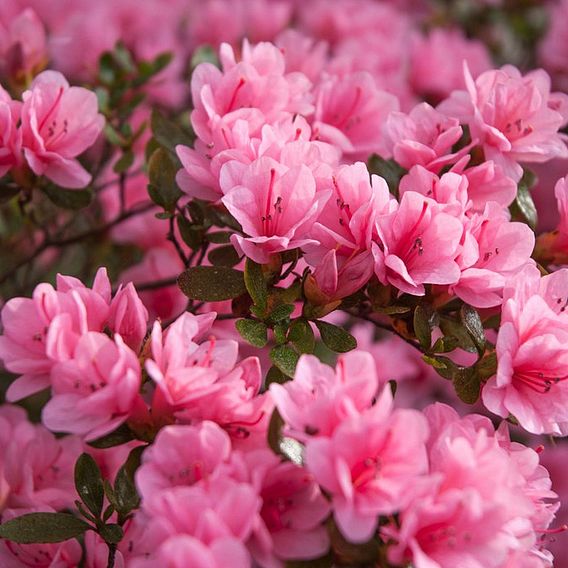
Azaleas are flowering shrubs within the genus Rhododendron and part of the family Ericaceae.
They bloom in spring and their blossoms often last several weeks. Azalea flowers come in a
variety of vibrant colors, including red, purple, pink, white, and others. Most kinds of Azalea
are deciduous, so they shed their leaves in the fall. There are hundreds of varieties that come
in range of forms and sizes, and can be found in North America as well as parts of Asia and
Europe. They are shade preferring plants, and often grow under or near trees. While beautiful,
azaleas are highly toxic. In fact, Azaleas and rhododendrons were once so well known for their
toxicity, that it was a known death threat to receive a bouquet in a black vase. The name azalea
originates from Greece, meaning dry, a reference to its quick-draining habit. It has a wide
range of symbolism stemming from different cultures, including good fortune, care for loved
ones, harmony, and more. According to mythology, there was once a young prince who fell in love
with a princess, but she was cursed to become an azalea bush. The prince's love and devotion for
her eventually broke the curse and she turned back. |
| Cherry Blossom |

|
Cherry blossoms, known scientifically as Prunus serrulata, belong to the Rosaceae family, which
also includes roses, apples, and peaches. These delicate flowers bloom in early spring, often
before their leaves fully emerge. Native to East Asia, particularly Japan, China, and Korea,
cherry blossoms have become a symbol of renewal and fleeting beauty. While they are most
commonly associated with pale pink hues, some varieties produce white or even darker pink
blossoms. The trees are typically ornamental, though some species do bear small, inedible fruit.
Cherry blossoms hold deep cultural significance, especially in Japan, where the annual hanami
tradition involves gathering under the trees to appreciate their short-lived beauty. The flowers
are often linked to themes of impermanence and the transient nature of life, a concept rooted in
Buddhist teachings. According to Japanese folklore, a spirit once inhabited a cherry tree, and
when a kind-hearted samurai saved it from destruction, the tree burst into breathtaking blossoms
as a sign of gratitude. Today, cherry blossoms remain a beloved symbol worldwide, often planted
in parks and gardens as a reminder of nature’s fleeting wonders. |
| Daffodil |
|
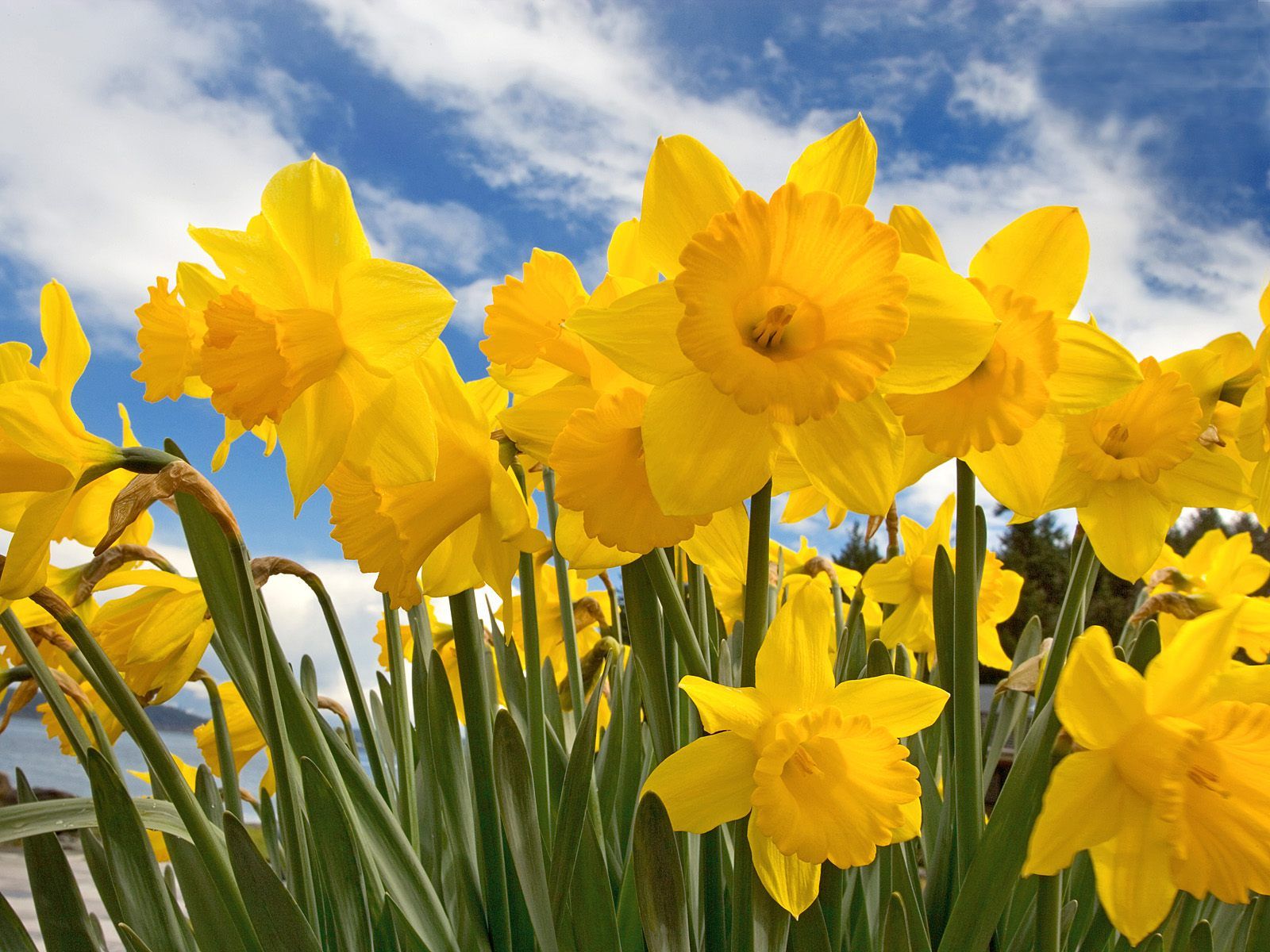
Daffodils, scientifically known as Narcissus, belong to the Amaryllidaceae family and are one of
the earliest signs of spring. Native to Europe and North Africa, they have been widely
cultivated around the world for centuries. These perennials produce bright yellow, white, or
orange trumpet-shaped flowers, emerging from bulbs that lie dormant through the winter.
Daffodils thrive in a variety of environments, from wild meadows to carefully tended gardens,
and they are known for their ability to naturalize and spread over time. Daffodils are often
associated with rebirth, new beginnings, and unyielding hope. Their name, Narcissus, originates
from Greek mythology, telling the story of a beautiful youth who fell in love with his own
reflection and was transformed into a flower upon his death. In many cultures, daffodils are
seen as a harbinger of good fortune, particularly in Wales, where spotting the first daffodil of
the season is believed to bring prosperity for the year ahead. Despite their cheerful
appearance, daffodils are toxic when consumed, making them both a symbol of joy and a reminder
of nature’s hidden dangers. |
| Dogwood |
|
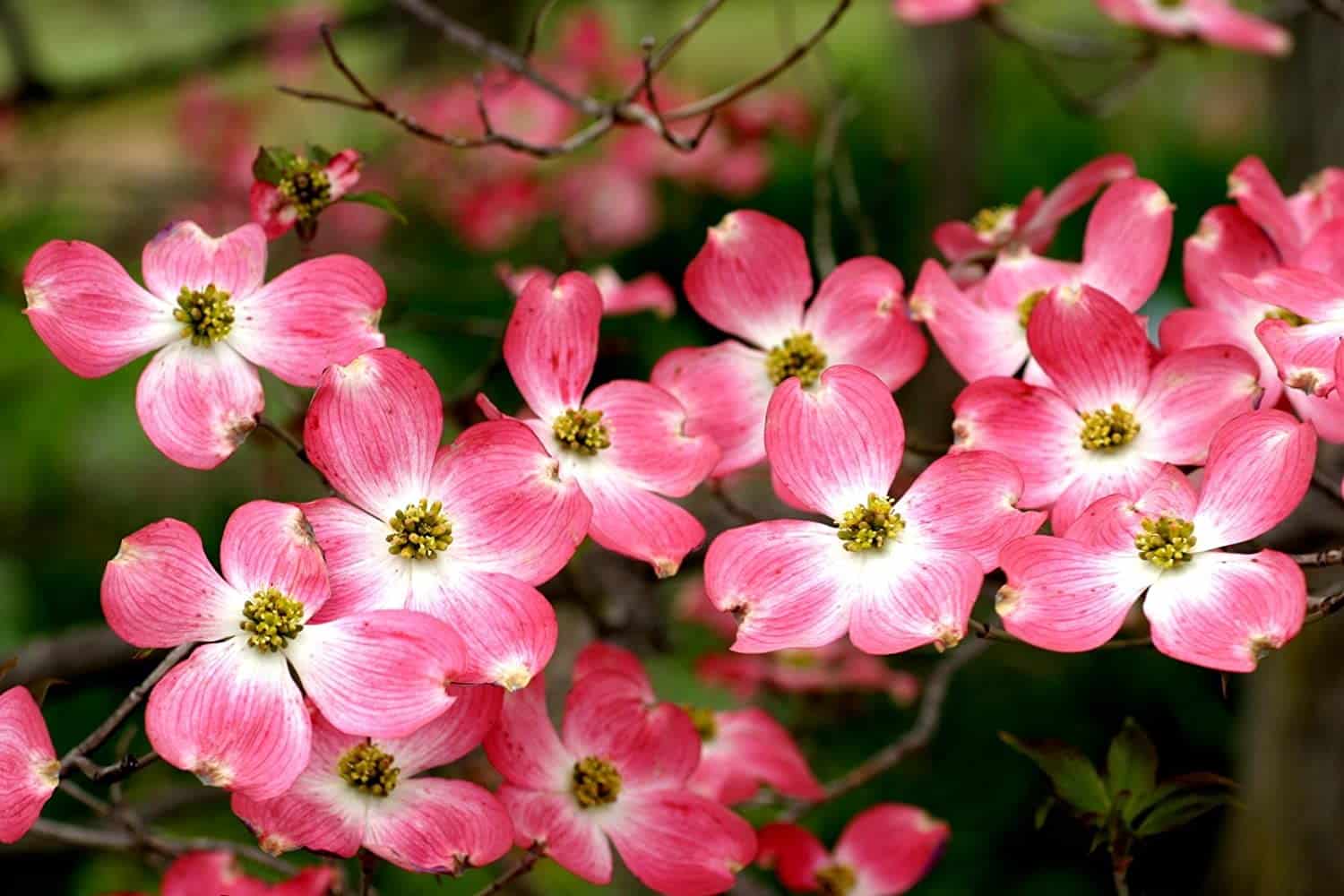
Dogwoods, classified under the genus Cornus, are deciduous trees and shrubs in the family
Cornaceae. Native to Europe, Asia, and North America, dogwoods are especially celebrated for
their springtime display of blossoms, which are typically white or pink. However, what appear to
be petals are actually bracts, specialized leaves that surround the true, less conspicuous
flowers. The foliage often turns vibrant shades of red and purple in the fall, adding to the
plant's seasonal interest. Many species also produce attractive berries that provide food for
wildlife. In various cultures, dogwoods symbolize durability and resilience. In Christian
tradition, the dogwood is linked to the crucifixion of Jesus Christ; legend suggests that the
tree was once large and sturdy, but after being used to construct the cross, it was transformed
into a smaller, more delicate form as a sign of humility and repentance. In the language of
flowers, dogwoods convey messages of affection and steadfastness. Their graceful appearance and
rich symbolism make them a cherished addition to landscapes and gardens. |
| Lavender |
|
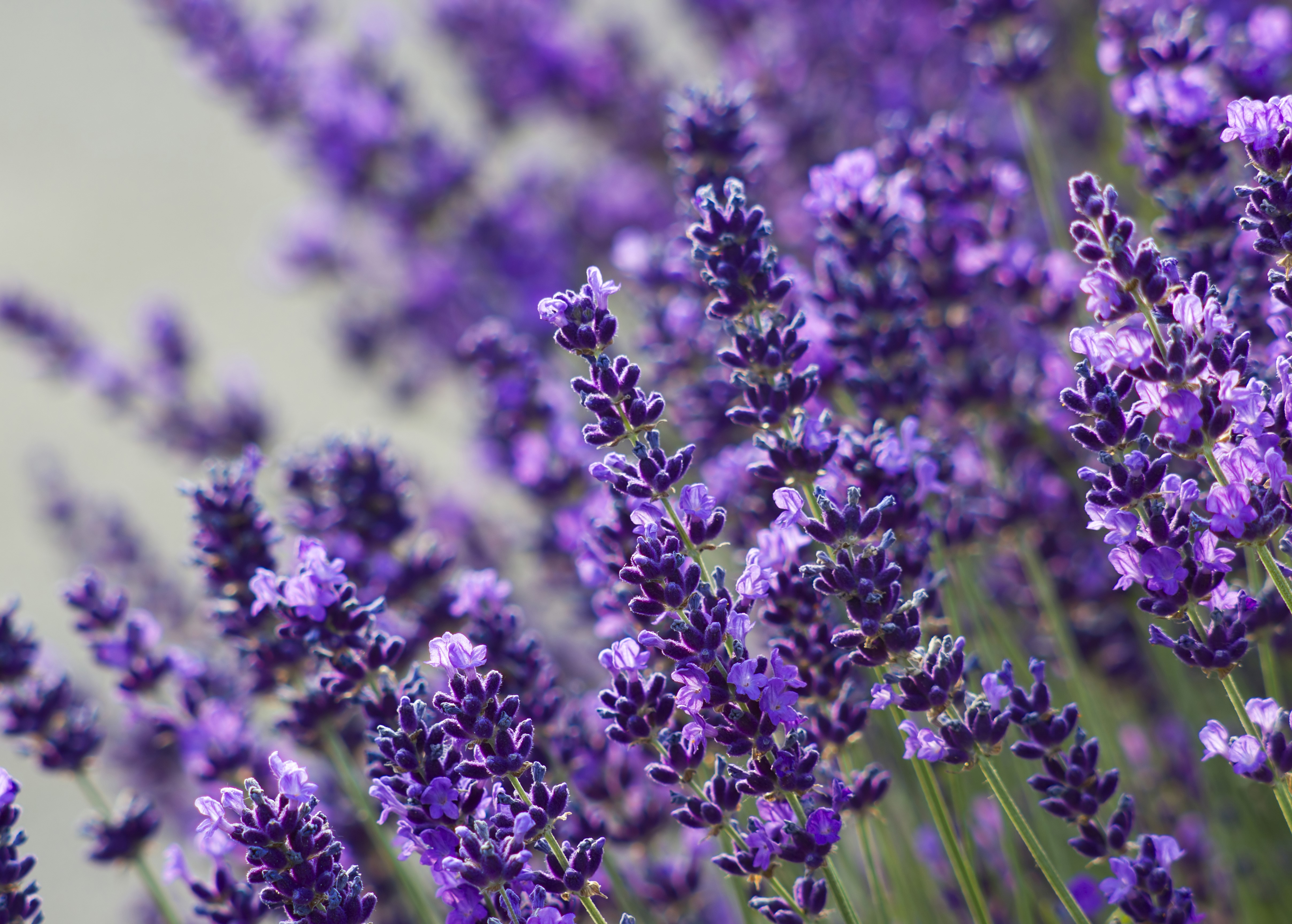
Lavender, scientifically classified as Lavandula, is a member of the mint family, Lamiaceae.
This aromatic flowering plant is native to the Mediterranean region but has since spread across
Europe, North America, and parts of Asia. It thrives in dry, well-drained soil and is well known
for its soothing fragrance. Lavender flowers appear in shades of purple, though some varieties
bloom in pink, blue, or white. The plant is widely cultivated for its essential oils, which are
used in perfumes, herbal remedies, and even culinary applications. Lavender has long been
associated with tranquility, protection, and purification. In ancient Rome, it was prized for
its cleansing properties, often added to bathwater to promote relaxation. The plant’s name is
derived from the Latin word lavare, meaning “to wash.” Many cultures believe lavender wards off
evil spirits and bad luck, while others see it as a symbol of love and devotion. A medieval
legend tells of a young healer who planted lavender around her village, keeping illness at bay
and bringing peace to those who lived there. Today, lavender remains a popular herb for
relaxation and wellness, cherished for both its beauty and practical benefits. |
| Lilac |
|
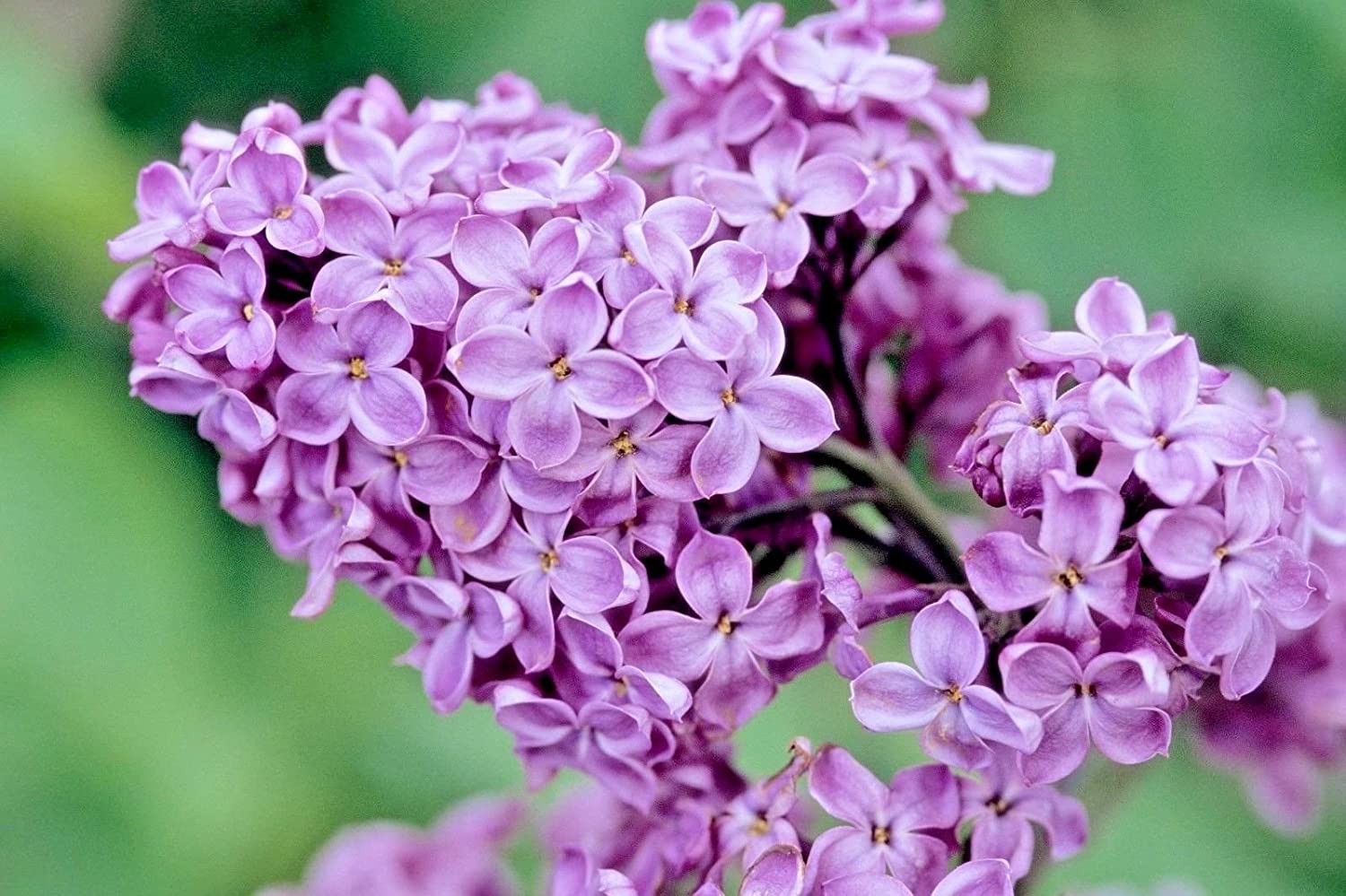
The lilac, or Syringa vulgaris, falls within the olive family, which also includes jasmine,
Forsythia, and privet. It grows from a large deciduous shrub that blooms in spring. While it is
native to the Balkan Peninsula, it has been spread throughout parts of Asia, Europe, and North
America. The common name lilac descends from several different languages all the way back to the
Persian words meaning “indigo” or “dark blue”. There are over one thousand varieties of lilac
and two hundred species. Lilacs are also edible and can be made into things like lilac sugar,
syrup, or even wine. These flowers are symbols of love, hope, and new beginnings. In Greek
mythology, lilacs are said to have been formed from the tears of a nymph named Syringa, who
transformed herself into the very same plant to escape the unwanted advances of the Greek god
named Pan. |
| Magnolia |
|
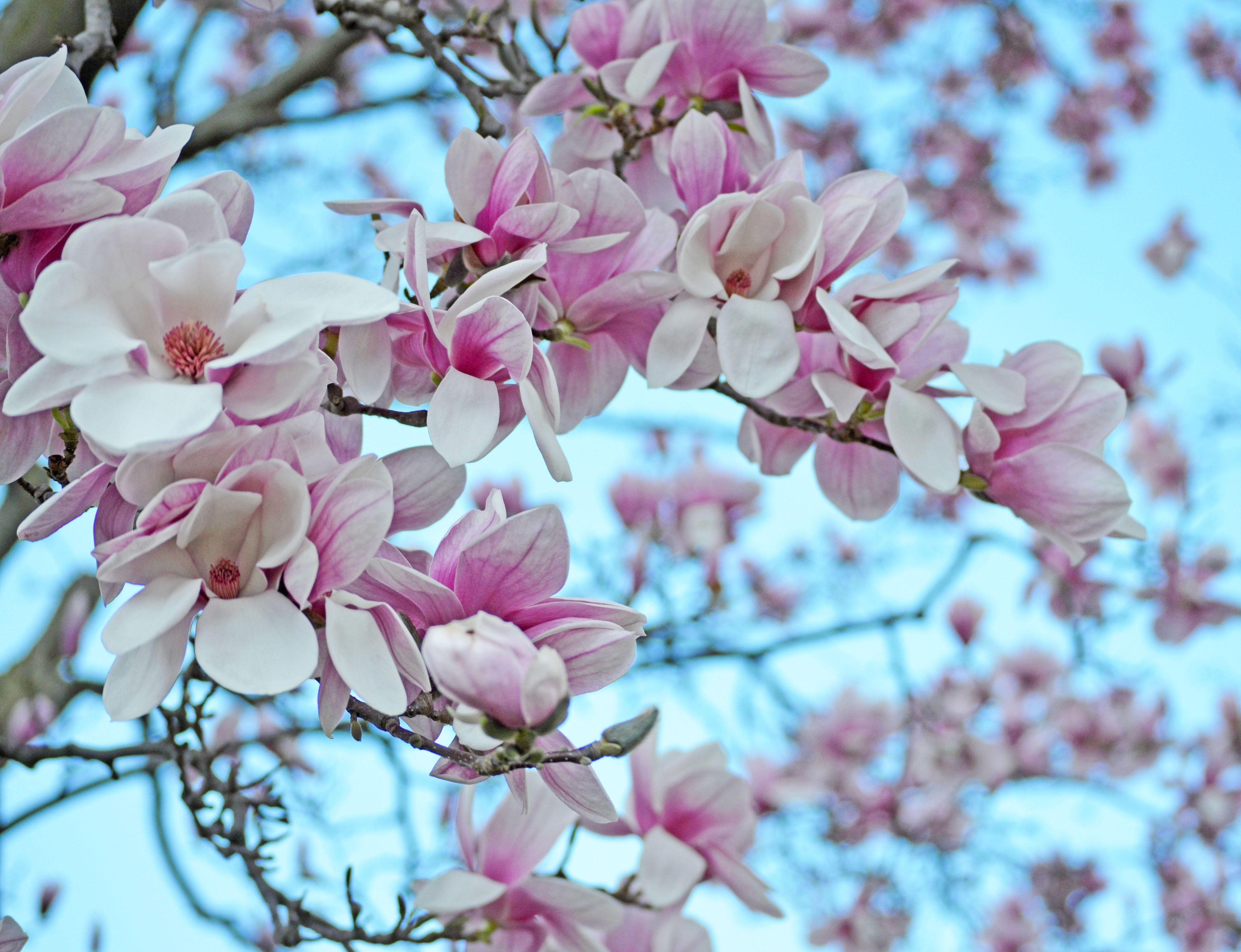
Magnolias, belonging to the genus Magnolia, are ancient flowering plants within the family
Magnoliaceae. These trees and shrubs are native to Asia and the Americas, thriving in a variety
of climates from temperate to tropical regions. Magnolia blossoms are renowned for their large,
fragrant flowers, which can be white, pink, purple, or yellow, depending on the species. The
glossy, leathery leaves and cone-like fruit add to the plant's ornamental appeal. Fossil records
indicate that magnolias have existed for millions of years, predating bees, with beetles serving
as their primary pollinators. Symbolically, magnolias represent endurance, strength, and beauty.
In Chinese culture, they are associated with purity and nobility, often featured in art and
literature. In the southern United States, magnolias are emblematic of the region's natural
beauty and are frequently mentioned in songs and stories. According to folklore, magnolia trees
possess protective qualities, and planting one near a home is believed to safeguard the
inhabitants. Their timeless elegance continues to inspire admiration and reverence across
various cultures. |
| Marigold |
|
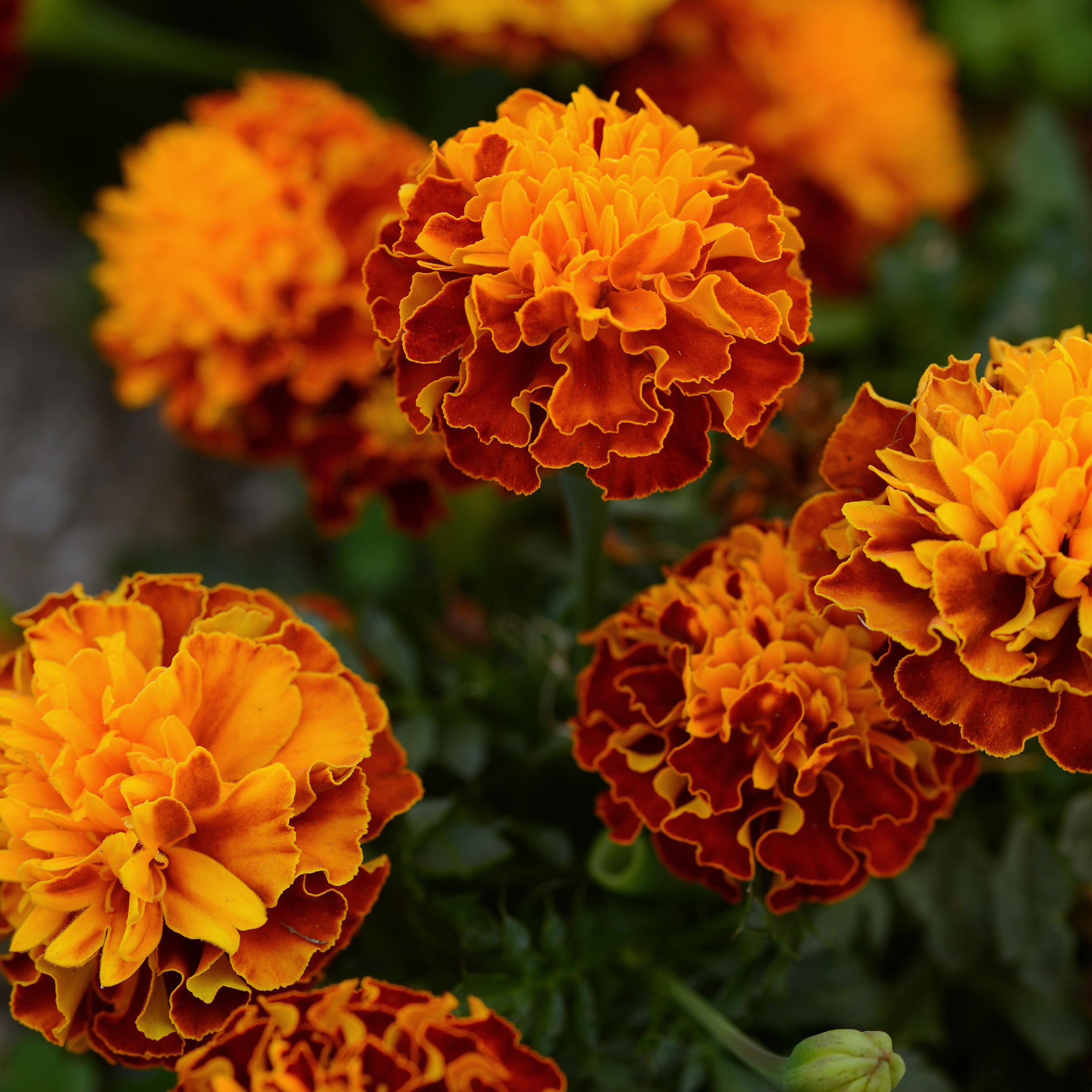
Marigolds, primarily from the genus Tagetes, are vibrant flowering plants in the Asteraceae
family. Native to Mexico and Central America, marigolds have been cultivated globally for their
bright yellow, orange, and red blooms. These hardy annuals are known for their pungent scent and
are commonly used in gardens to deter pests, as their aroma is believed to repel insects.
Marigolds thrive in full sun and well-drained soil, making them a popular choice for both
ornamental and practical gardening purposes. Culturally, marigolds hold significant importance
in various traditions. In Mexico, they are known as cempasúchil and play a vital role in Día de
los Muertos (Day of the Dead) celebrations, where their vibrant colors and strong fragrance are
believed to guide the spirits of the deceased back to the world of the living. In Hindu culture,
marigolds are used in religious rituals and festivals, symbolizing auspiciousness and
representing offerings to deities. According to Aztec legend, marigolds originated from the love
story of two children, Xóchitl and Huitzilin, who shared a deep bond; after Huitzilin's death,
the Sun God transformed Xóchitl into a marigold, allowing their love to endure eternally. This
rich tapestry of symbolism and folklore underscores the marigold's enduring presence in human
culture. |
| Mountain Laurel |
|
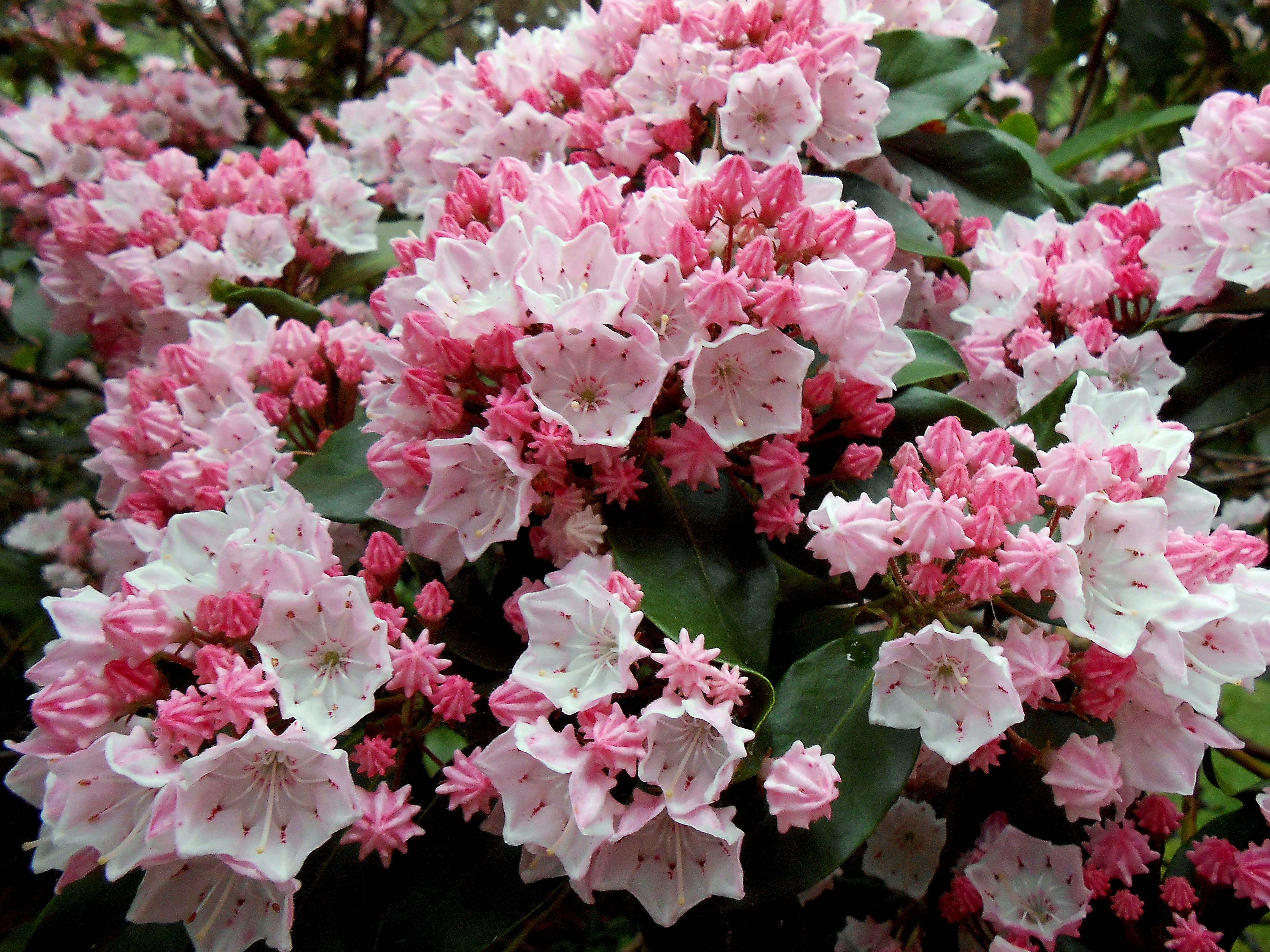
Mountain laurel, or Kalmia latifolia, is an evergreen shrub belonging to the heath family,
Ericaceae, which also includes rhododendrons and blueberries. Native to eastern North America,
it thrives in mountainous and woodland areas, often growing in dense thickets. Blooming in late
spring to early summer, its distinctive flowers range in color from pale pink to deep rose, with
delicate markings resembling intricate patterns. The plant’s glossy, dark green leaves remain
vibrant year-round, adding to its appeal as an ornamental shrub. However, all parts of mountain
laurel are highly toxic to humans and animals if ingested. Symbolically, mountain laurel
represents perseverance, ambition, and protection. It was named after Pehr Kalm, a Swedish
botanist who studied North American flora in the 18th century. Indigenous peoples valued the
plant for its resilience, and it was sometimes used in ceremonies or as a protective charm.
According to Appalachian folklore, a young woman once wove a crown of mountain laurel to guide
her lost love home, but when he never returned, the flowers turned from white to pink,
reflecting her sorrow. Today, mountain laurel is cherished for its beauty and is even recognized
as the state flower of Pennsylvania and Connecticut. |
| Orchid |
|
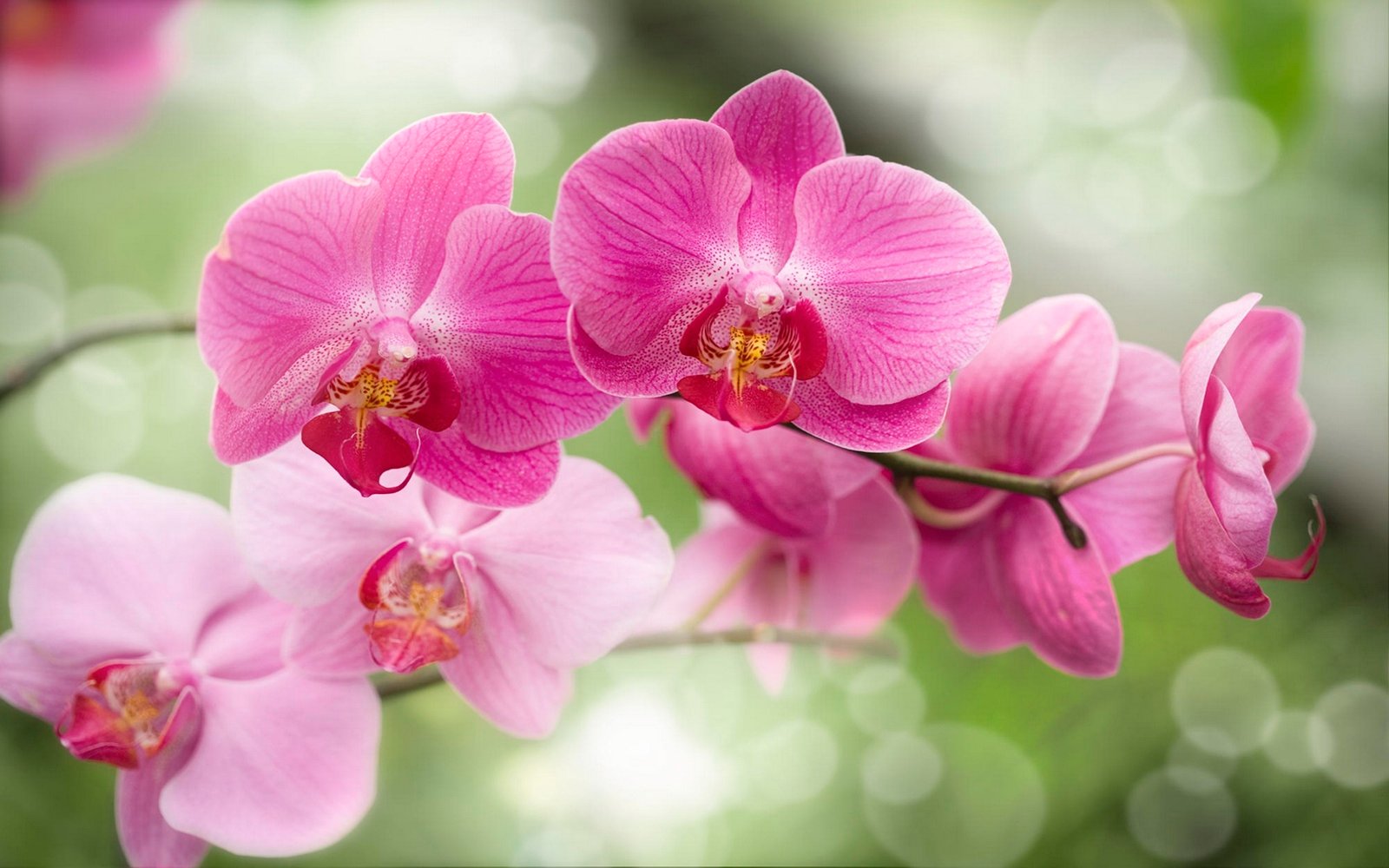
Orchids, encompassing the family Orchidaceae, represent one of the largest and most diverse
groups of flowering plants, with over 25,000 species worldwide. These perennial plants are found
on every continent except Antarctica, thriving in a wide range of habitats from tropical
rainforests to arid deserts. Orchid flowers are celebrated for their intricate shapes, vibrant
colors, and alluring fragrances, often adapted to attract specific pollinators. Many orchids are
epiphytic, growing on other plants for support without drawing nutrients from them, while others
are terrestrial, rooted in the soil. Throughout history, orchids have been symbols of love,
luxury, and beauty. In ancient Greece, they were associated with virility and fertility, while
in Victorian England, collecting and cultivating orchids became a symbol of status and
sophistication. In Chinese culture, orchids represent refinement and integrity, frequently
depicted in traditional art and poetry. A Scottish legend tells of orchids as powerful
talismans, believed to bring good luck and protect against the evil eye. Today, orchids remain
popular as ornamental plants and are often gifted to convey admiration and affection. |
| Rose |
|
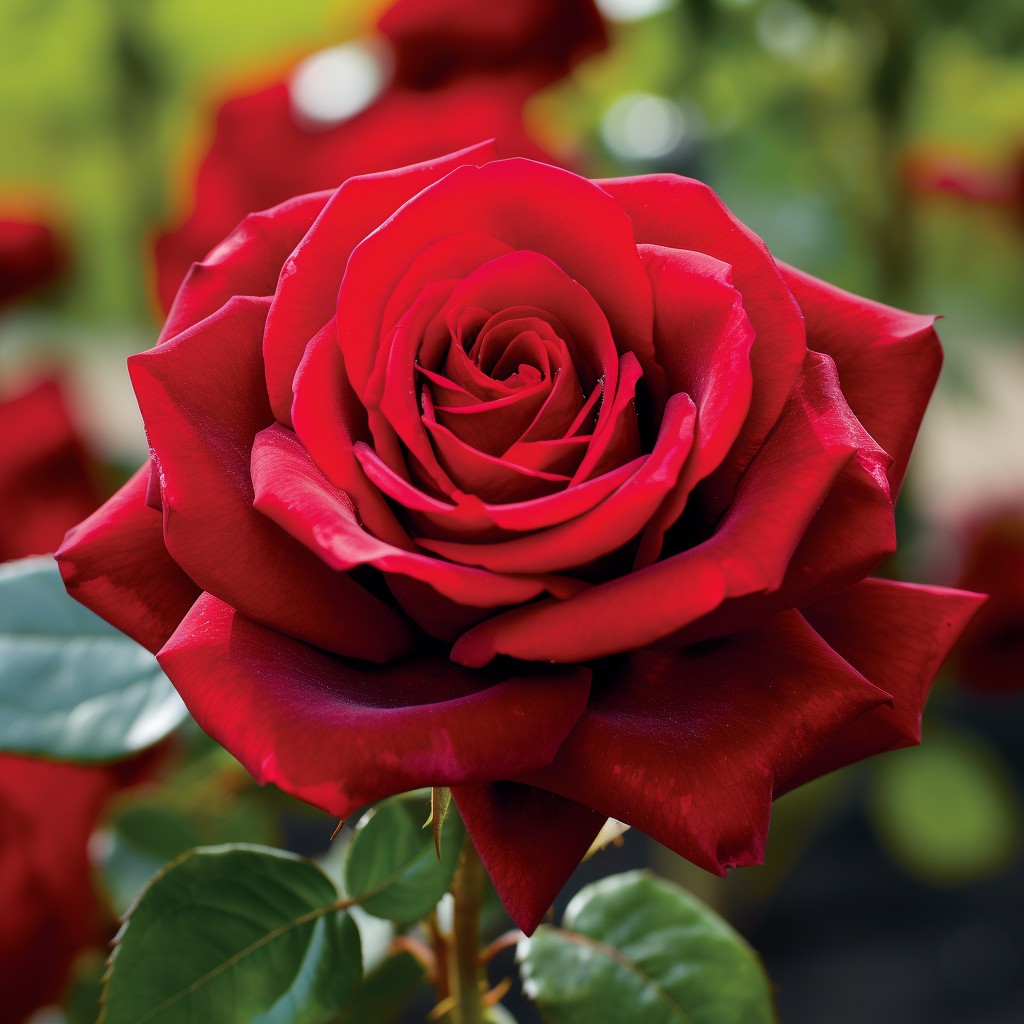
Roses, belonging to the Rosaceae family, share their lineage with apples, pears, and almonds.
These perennial shrubs or climbers can bloom in various seasons, depending on their species.
Originating from regions across the Northern Hemisphere, including Europe, Asia, and North
America, roses have been cultivated and cherished worldwide. The name "rose" comes from the
Latin "rosa," a term that has been embraced by many languages. With over three hundred species
and thousands of cultivars, roses are celebrated not only for their beauty and fragrance but
also for their culinary uses. They are edible in the sense that they can be made into rose
water, jam, and tea. Symbolizing a range of ideas, from love and beauty to passion and sorrow,
roses hold a special place in many cultures. In Greek mythology, the rose is linked to
Aphrodite, the goddess of love, who is said to have created the flower from her tears and the
blood of her lover, Adonis. |
| Sunflower |
|
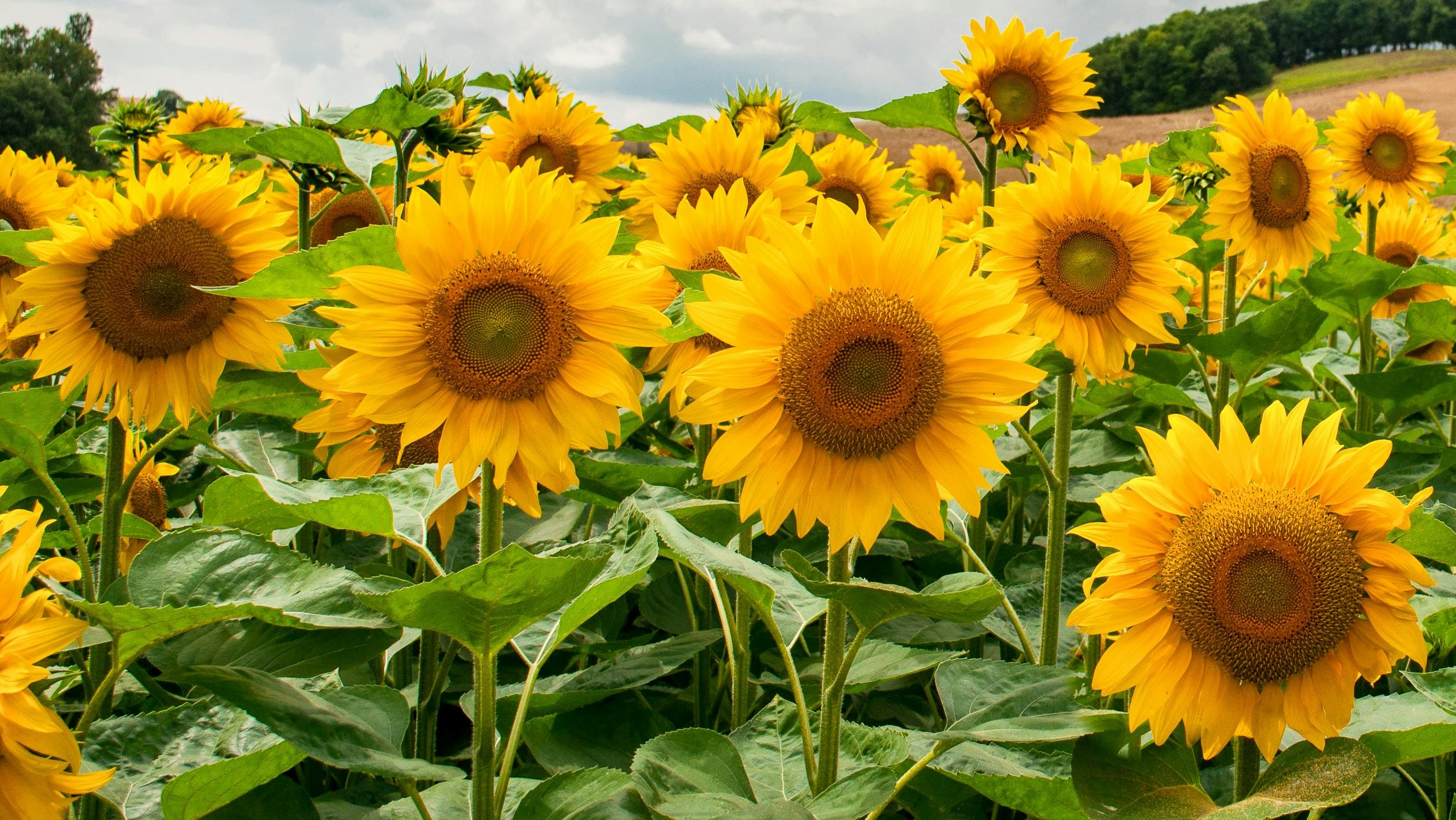
Sunflowers, scientifically known as Helianthus annuus, are tall, annual plants in the Asteraceae
family, native to North America. Characterized by their large, sun-like flower heads with bright
yellow petals surrounding a central disc, sunflowers are heliotropic, turning their blooms to
follow the sun's movement across the sky. They are cultivated for their edible seeds, which are
a source of oil and snacks, as well as for their striking appearance in gardens and floral
arrangements. Sunflowers are hardy plants that thrive in full sun and well-drained soil, often
reaching impressive heights during the growing season. Symbolically, sunflowers represent
adoration, loyalty, and longevity. In Greek mythology, the nymph Clytie was transformed into a
sunflower after pining for the Sun God Helios, eternally turning to face him as he moved across
the sky. In various cultures, sunflowers are seen as symbols of positivity and strength,
embodying the warmth and energy of the sun. Notably, the sunflower is the national flower of
Ukraine, symbolizing peace and resilience; during the 2022 Russian invasion of Ukraine, it
became a global emblem of solidarity and hope. Additionally, sunflowers have been used in art
and literature to convey themes of happiness and vitality, with artists like Vincent van Gogh
famously capturing their vibrant essence in his paintings. |