Plants 5 Flowers
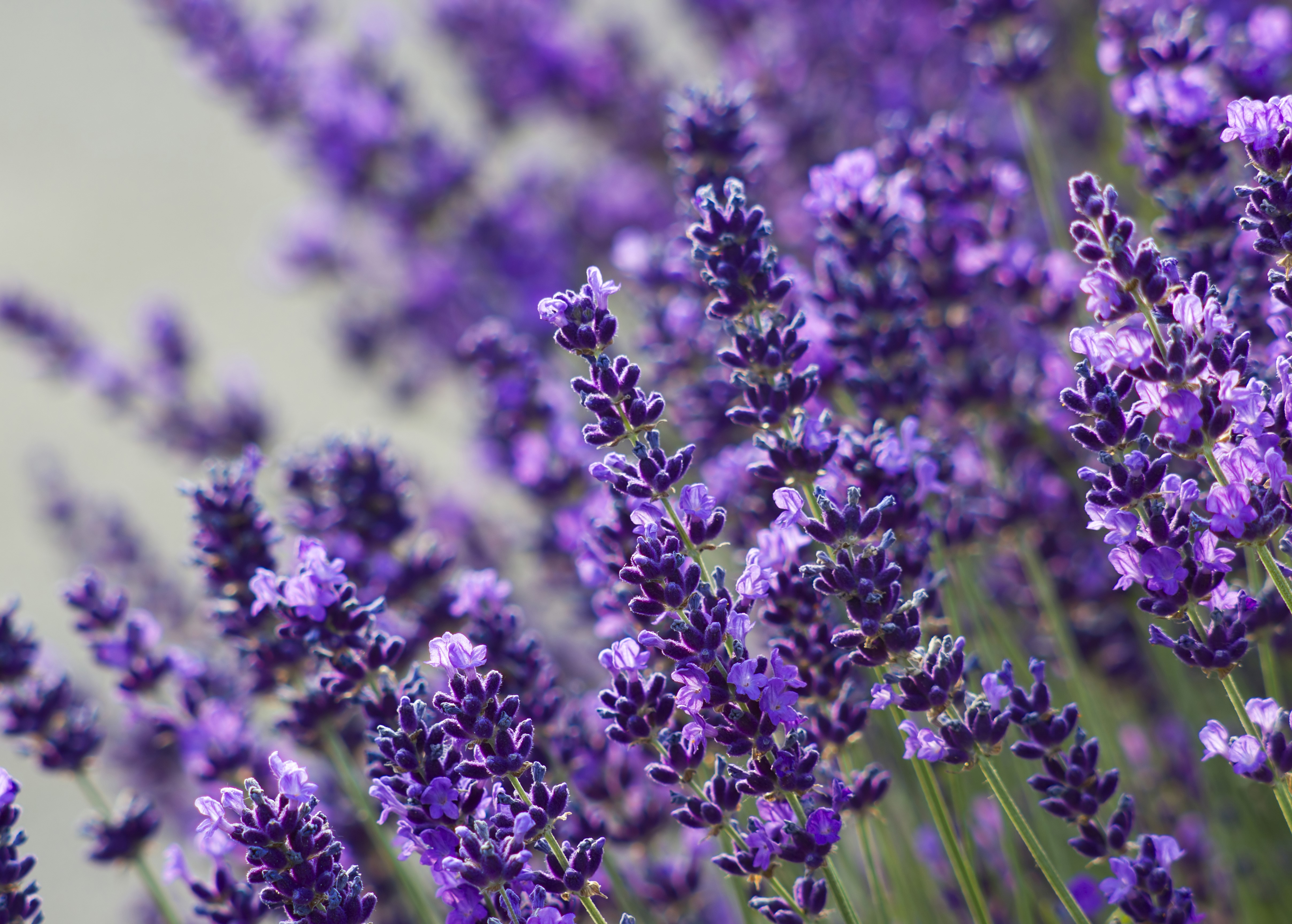
Lavender
Lavender, scientifically classified as Lavandula, is a member of the mint family, Lamiaceae.
This
aromatic flowering plant is native to the Mediterranean region but has since spread across
Europe, North America, and parts of Asia. It thrives in dry, well-drained soil and is well
known
for its soothing fragrance. Lavender flowers appear in shades of purple, though some
varieties
bloom in pink, blue, or white. The plant is widely cultivated for its essential oils, which
are
used in perfumes, herbal remedies, and even culinary applications.
Lavender has long been associated with tranquility, protection, and purification. In
ancient
Rome, it was prized for its cleansing properties, often added to bathwater to promote
relaxation. The plant’s name is derived from the Latin word lavare, meaning “to wash.” Many
cultures believe lavender wards off evil spirits and bad luck, while others see it as a
symbol
of love and devotion. A medieval legend tells of a young healer who planted lavender around
her
village, keeping illness at bay and bringing peace to those who lived there. Today, lavender
remains a popular herb for relaxation and wellness, cherished for both its beauty and
practical
benefits.
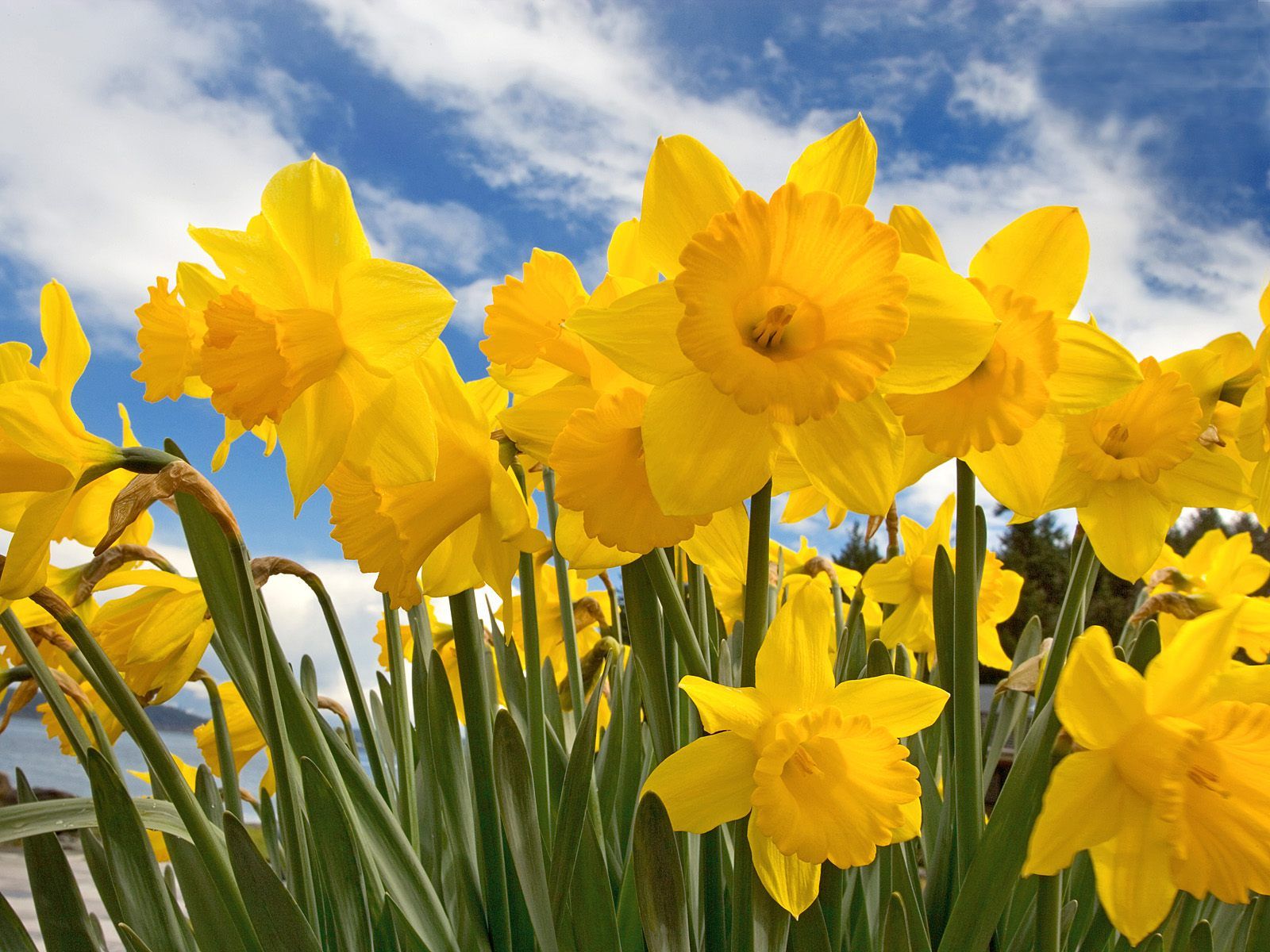
Daffodil
Daffodils, scientifically known as Narcissus, belong to the Amaryllidaceae family and are one
of
the earliest signs of spring. Native to Europe and North Africa, they have been widely
cultivated around the world for centuries. These perennials produce bright yellow, white, or
orange trumpet-shaped flowers, emerging from bulbs that lie dormant through the winter.
Daffodils thrive in a variety of environments, from wild meadows to carefully tended
gardens,
and they are known for their ability to naturalize and spread over time.
Daffodils are often associated with rebirth, new beginnings, and unyielding hope. Their
name, Narcissus, originates from Greek mythology, telling the story of a beautiful youth who
fell in love with his own reflection and was transformed into a flower upon his death. In
many
cultures, daffodils are seen as a harbinger of good fortune, particularly in Wales, where
spotting the first daffodil of the season is believed to bring prosperity for the year
ahead.
Despite their cheerful appearance, daffodils are toxic when consumed, making them both a
symbol
of joy and a reminder of nature’s hidden dangers.
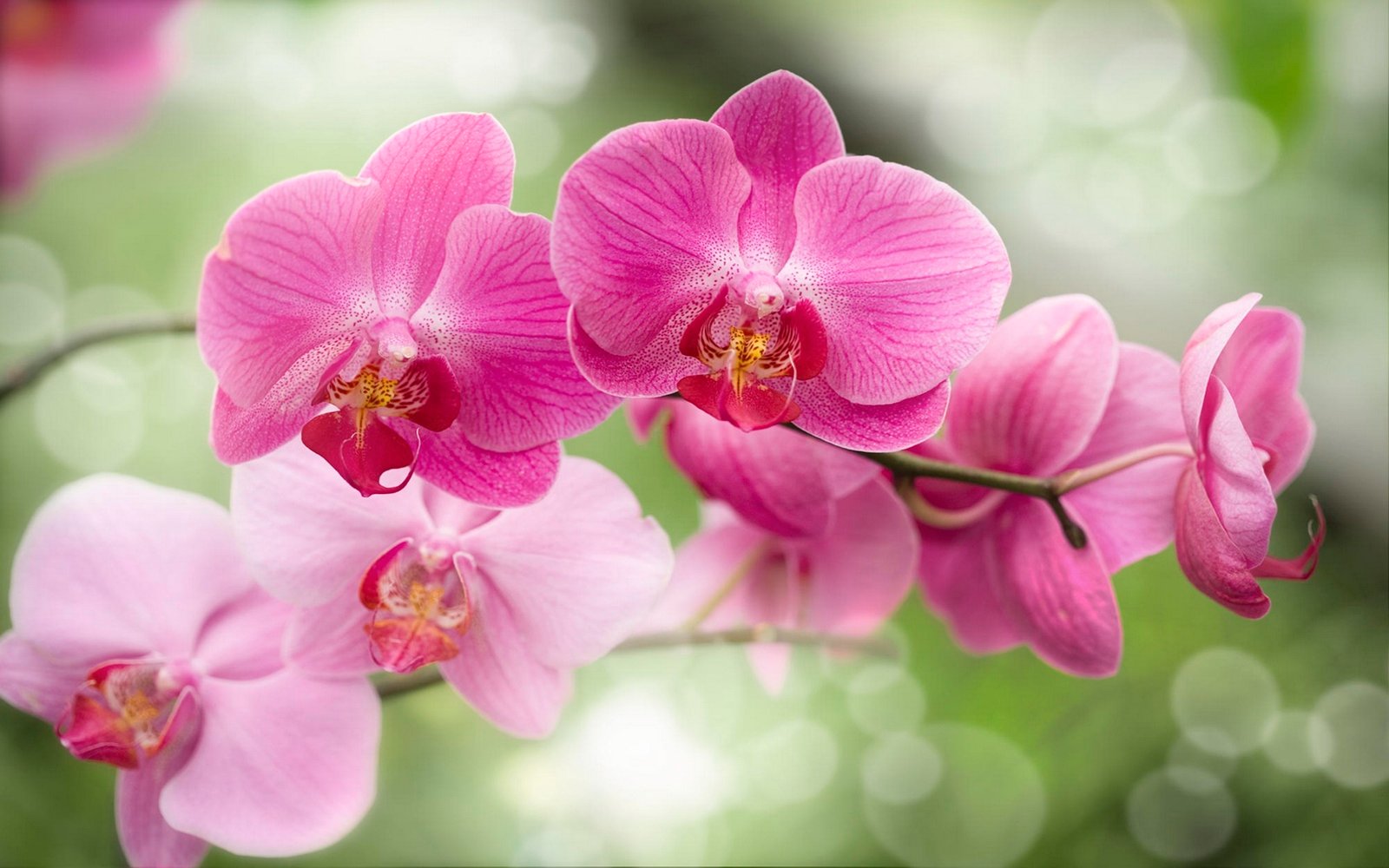
Orchid
Orchids, encompassing the family Orchidaceae, represent one of the largest and most diverse
groups of flowering plants, with over 25,000 species worldwide. These perennial plants are found
on every continent except Antarctica, thriving in a wide range of habitats from tropical
rainforests to arid deserts. Orchid flowers are celebrated for their intricate shapes, vibrant
colors, and alluring fragrances, often adapted to attract specific pollinators. Many orchids are
epiphytic, growing on other plants for support without drawing nutrients from them, while others
are terrestrial, rooted in the soil.
Throughout history, orchids have been symbols of love, luxury, and beauty. In ancient Greece,
they were associated with virility and fertility, while in Victorian England, collecting and
cultivating orchids became a symbol of status and sophistication. In Chinese culture, orchids
represent refinement and integrity, frequently depicted in traditional art and poetry. A
Scottish legend tells of orchids as powerful talismans, believed to bring good luck and protect
against the evil eye. Today, orchids remain popular as ornamental plants and are often gifted to
convey admiration and affection.
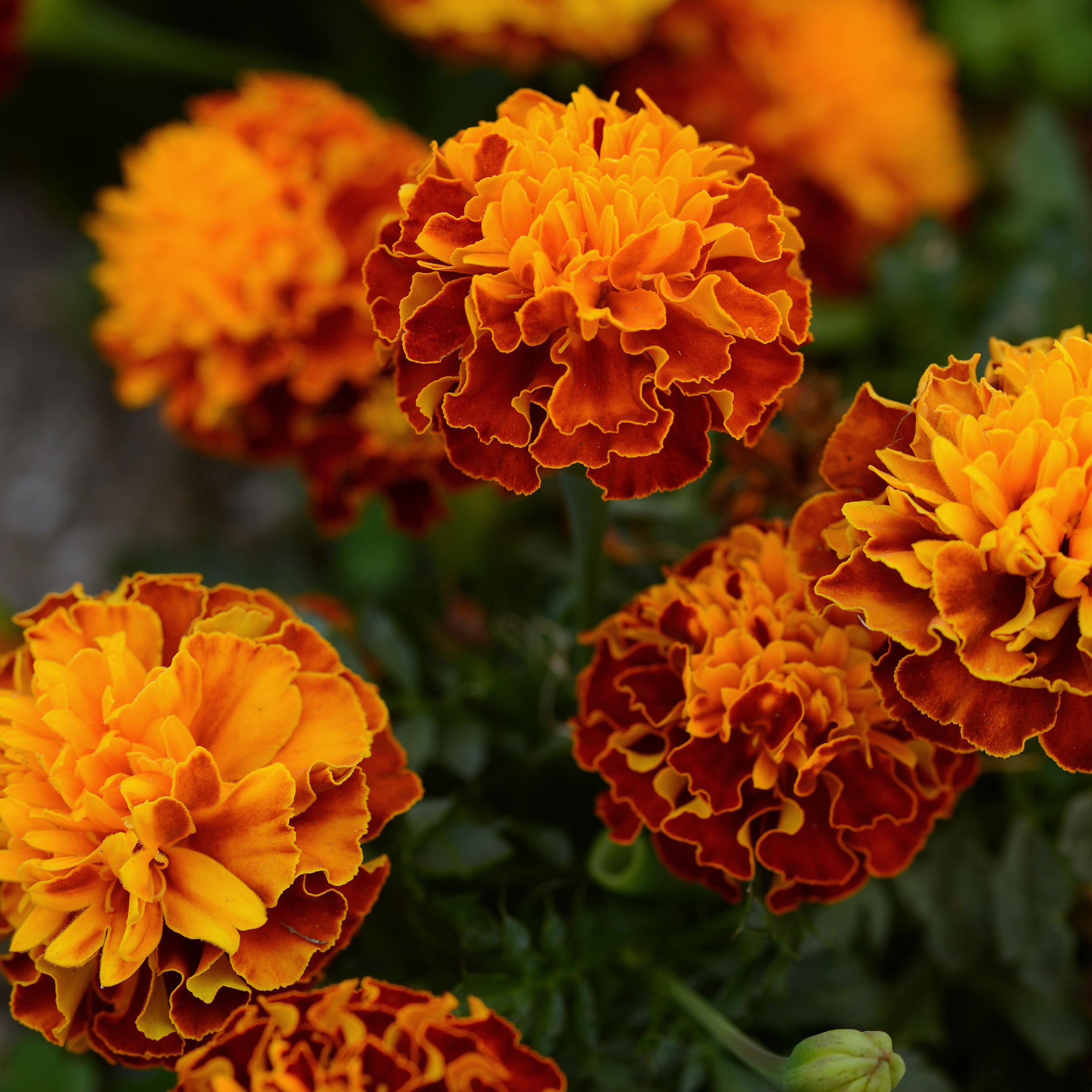
Marigold
Marigolds, primarily from the genus Tagetes, are vibrant flowering plants in the Asteraceae
family. Native to Mexico and Central America, marigolds have been cultivated globally for their
bright yellow, orange, and red blooms. These hardy annuals are known for their pungent scent and
are commonly used in gardens to deter pests, as their aroma is believed to repel insects.
Marigolds thrive in full sun and well-drained soil, making them a popular choice for both
ornamental and practical gardening purposes.
Culturally, marigolds hold significant importance in various traditions. In Mexico, they are
known as cempasúchil and play a vital role in Día de los Muertos (Day of the Dead) celebrations,
where their vibrant colors and strong fragrance are believed to guide the spirits of the
deceased back to the world of the living. In Hindu culture, marigolds are used in religious
rituals and festivals, symbolizing auspiciousness and representing offerings to deities.
According to Aztec legend, marigolds originated from the love story of two children, Xóchitl and
Huitzilin, who shared a deep bond; after Huitzilin's death, the Sun God transformed Xóchitl into
a marigold, allowing their love to endure eternally. This rich tapestry of symbolism and
folklore underscores the marigold's enduring presence in human culture.
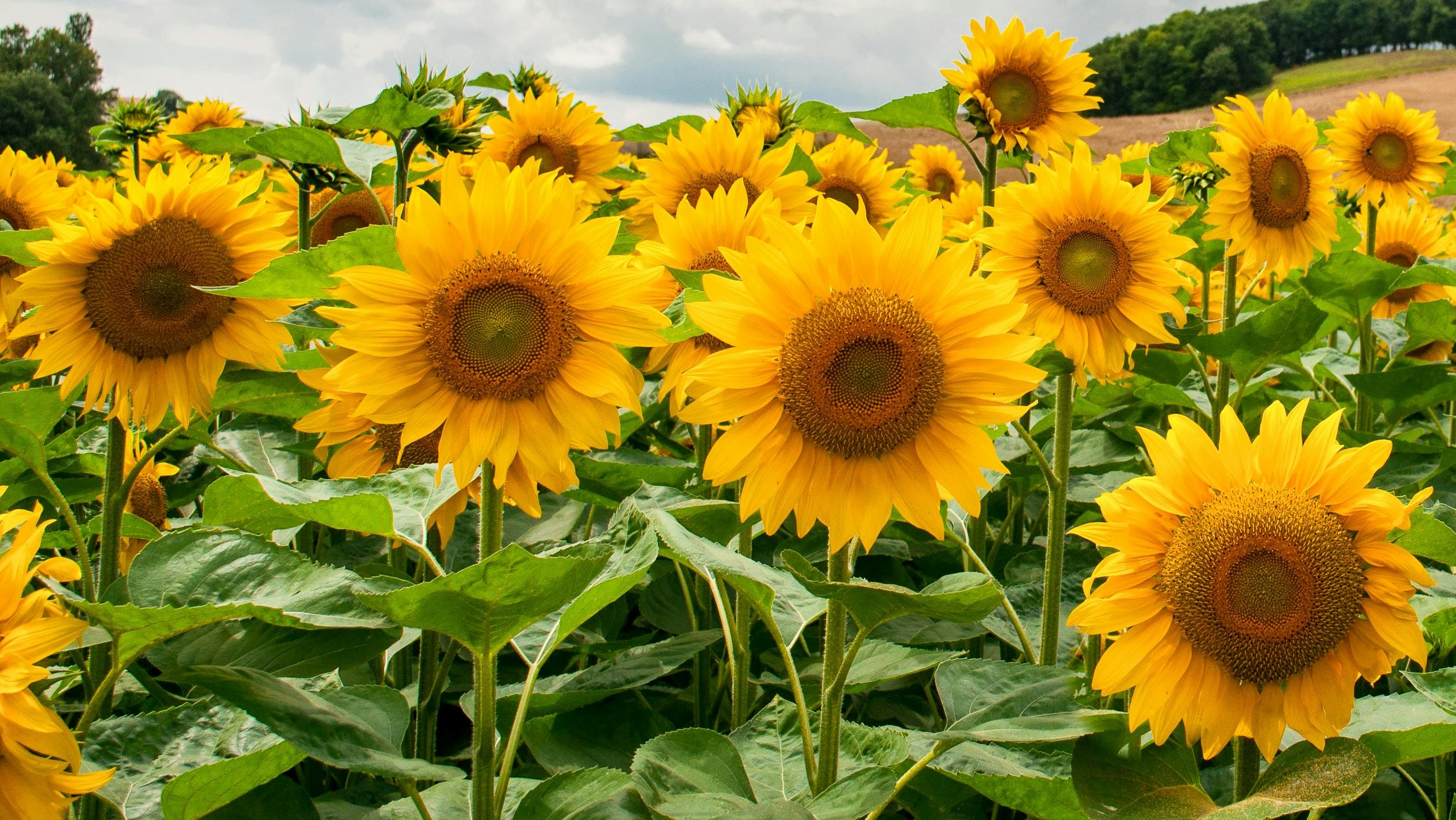
Sunflower
Sunflowers, scientifically known as Helianthus annuus, are tall, annual plants in the Asteraceae
family, native to North America. Characterized by their large, sun-like flower heads with bright
yellow petals surrounding a central disc, sunflowers are heliotropic, turning their blooms to
follow the sun's movement across the sky. They are cultivated for their edible seeds, which are
a source of oil and snacks, as well as for their striking appearance in gardens and floral
arrangements. Sunflowers are hardy plants that thrive in full sun and well-drained soil, often
reaching impressive heights during the growing season.
Symbolically, sunflowers represent adoration, loyalty, and longevity. In Greek mythology, the
nymph Clytie was transformed into a sunflower after pining for the Sun God Helios, eternally
turning to face him as he moved across the sky. In various cultures, sunflowers are seen as
symbols of positivity and strength, embodying the warmth and energy of the sun. Notably, the
sunflower is the national flower of Ukraine, symbolizing peace and resilience; during the 2022
Russian invasion of Ukraine, it became a global emblem of solidarity and hope. Additionally,
sunflowers have been used in art and literature to convey themes of happiness and vitality, with
artists like Vincent van Gogh famously capturing their vibrant essence in his paintings.